



Product

Laboratory Instruments

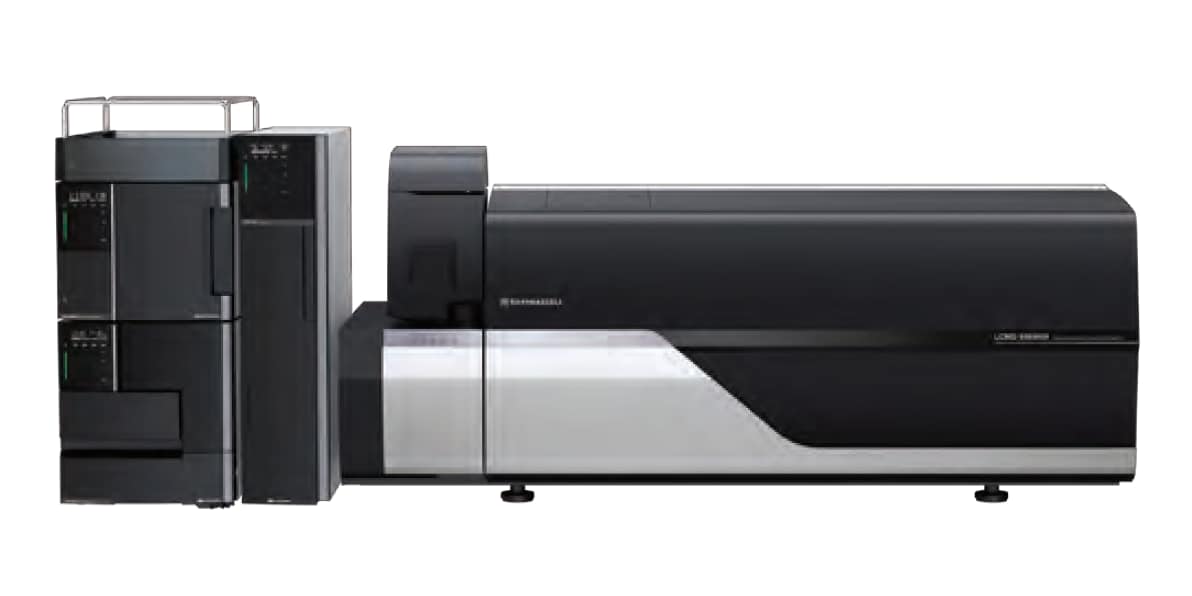
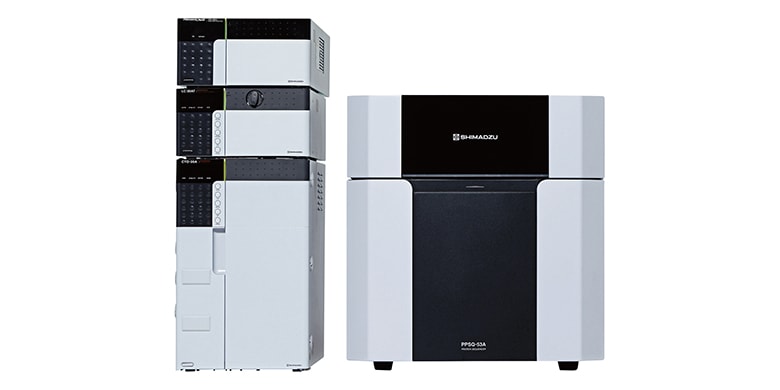
Fuel-Grade Ethanol Production HPLC System

Liquid Chromatographs

Fuel-Grade Ethanol Production HPLC System

Quality control testing via laboratory analysis is typically conducted on feedstocks, in-process materials, and end products. The analysis of materials during the fermentation process is necessary to monitor the breakdown of starch molecules in glucose, then the conversion to ethanol following typical Krebs cycle dynamics. Without such analysis, excessive fermentation will cause the ethanol to convert into acetic acid.

HPLC is the most commonly used technique for this analysis, as it makes use of both the stationary phase and the solvent (mobile phase) to effect control over the separation. In the case of the ethanol production plant, the HPLC system is typically used to profile the carbohydrate, alcohol, and organic acid content of the fermentation broth.

Standard Components

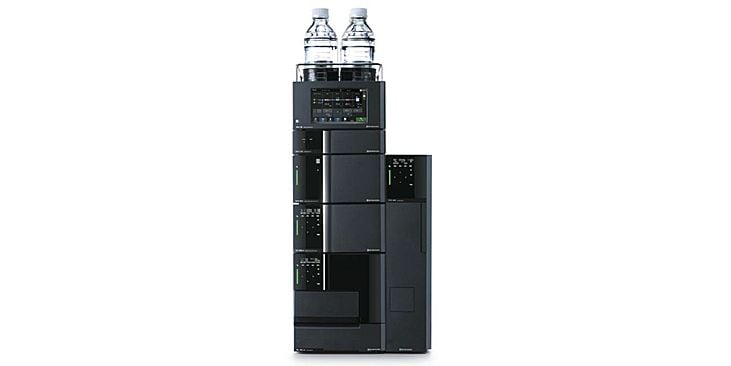
A basic isocratic HPLC system is typically used for Ethanol analysis during the production process. The components normally include:

  • The mobile phase, a dilute solution of sulfuric acid (0.002-0.005N)
  • An isocratic pumping system
  • An autosampler
  • A suitable chromatographic column
  • A refractive index detector
  • A data acquisition system

Most systems also include a mobile phase degasser to help eliminate out-gassing from the mobile phase, a column heater and a temperature controlled sample compartment for sample integrity.

Calibration of the HPLC system by use of a standard solution of the components of interest allows the users to obtain results as weight percent for the analytes of the broth samples. This data can be used to evaluate the progress of the fermentation and what intervention may be necessary to maximize the production of ethanol.

Automated/Real-time Online Sampling

When the HPLC system is interfaced with Groton Biosystems´ ARS series of online sampling monitors, manufacturers can now quickly and efficiently optimize enzyme levels in mash by incorporating this system into the bio-ethanol production process. Optimized enzymes yield more product and limit the formation of useless by-products.

To learn more about Groton Biosystems and the ARS Series, please visit http://www.grotonbiosystems.com/

Related Article

Using the HPLC System in the Fuel-Grade Ethanol Production Laboratory (pdf - 879 kb)