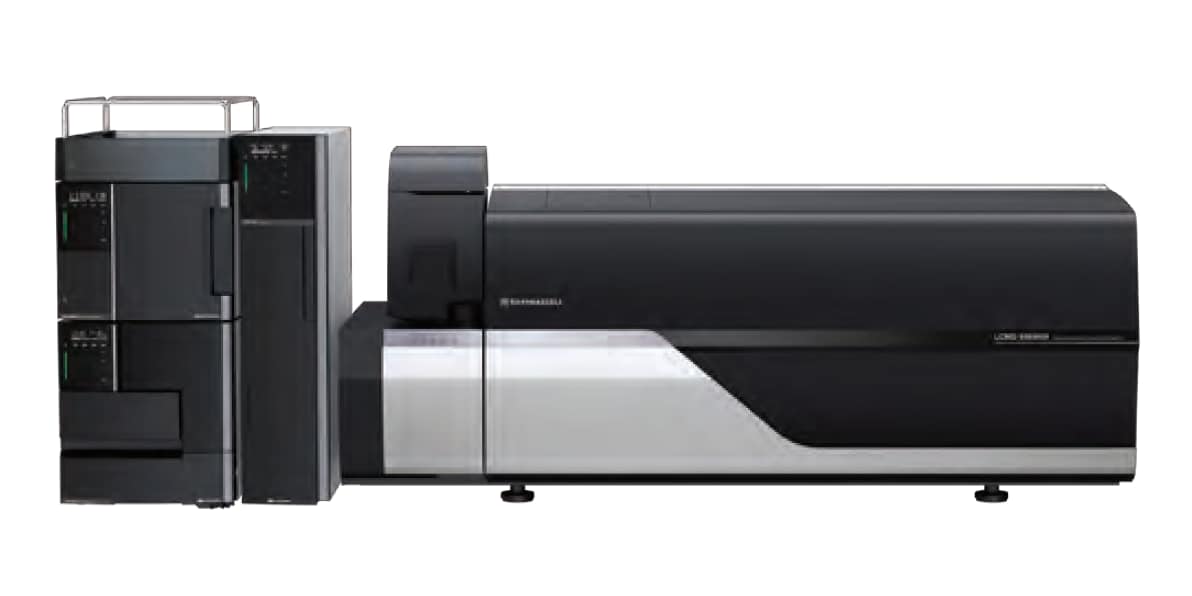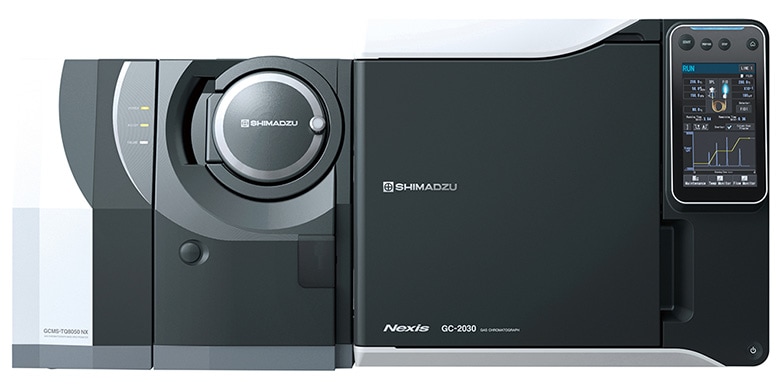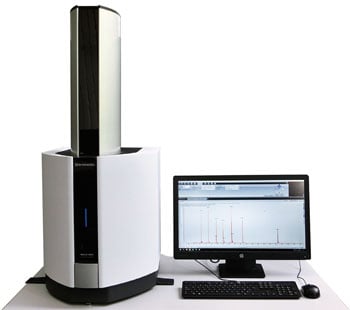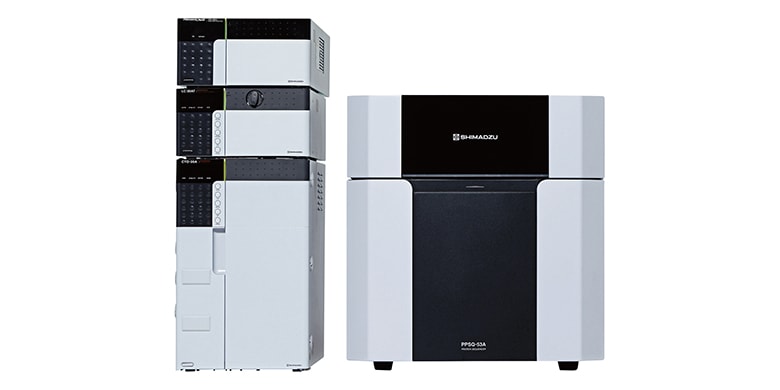


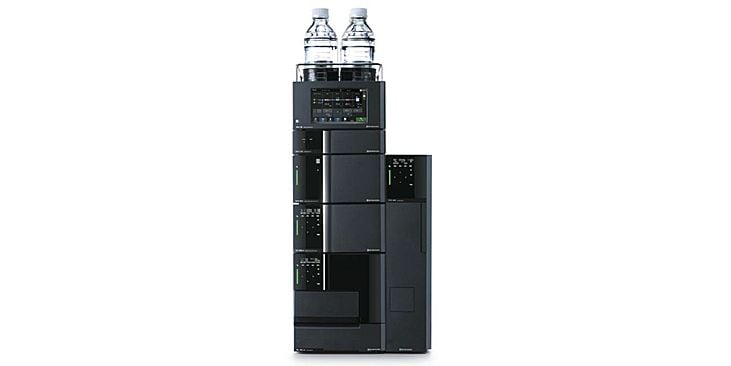
Certain microorganisms can cause severe diseases and considerable damage, and need to be identified quickly and reliably. The easy-to-use AXIMA@SARAMIS Microbial Identification System is the ideal tool to address these concerns. With AXIMA@SARAMIS, cultured microorganisms can be directly applied to the MALDI sample target and introduced to an AXIMA series MALDI-TOF mass spectrometer to revolutionize the daily routine in analytical and diagnostic laboratories.
Fast Response, Outstanding Recovery Rate
AXIMA@SARAMIS can identify 380 clinical samples within 5 hours in the high-throughput mode, less than one minute per sample. The results appear in a comprehensible spreadsheet format, exportable to common data processing software.
Gram-positive and gram-negative bacteria, yeast, fungi and spores are identified based on their characteristic MALDI-TOF MS fingerprints with up to 98% recovery rate down to sub-species level.
Substitutes Biochemical Standard Methods
No pre-selection of analytical methods is required; hands-on time is reduced and costs are cut dramatically.
Wide Range of Applications
AXIMA@SARAMIS covers a wide range of applications in a number of industries, including diagnostics, pharmaceuticals, healthcare and food. Examples include:
Complementary Method
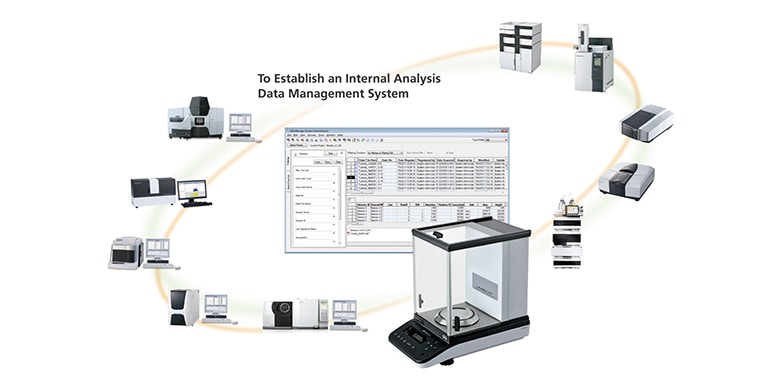
Designed for medium to high-throughput identification, AXIMA@SARAMIS can be easily integrated into automated laboratory environments and any LIMS.
Just Two Steps from Cultures to Results
Step 1: Sample preparation
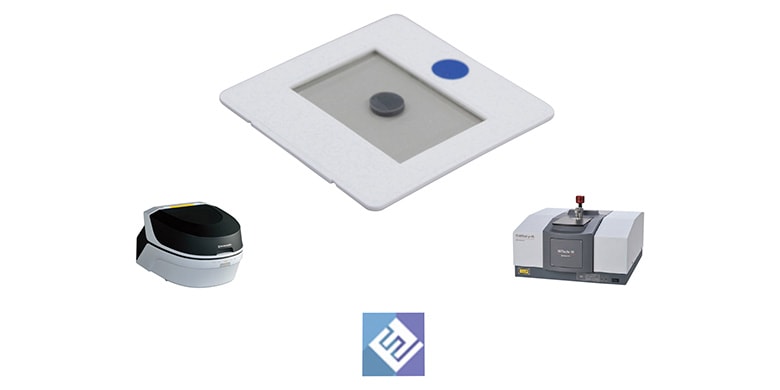
AXIMA@SARAMIS identifies a sample grown overnight on an agar plate. A tiny amount of cells is transferred to a FlexiMass™ target followed by 0.5 μL matrix solution. The preparation is completed within seconds after the samples are air-dried.
Step 2: Identification
The FlexiMass target is loaded into AXIMA where mass spectral fingerprints of the samples are acquired. Fingerprints are matched against the SARAMIS database of SuperSpectra for immediate identification. Results are displayed within one minute.
In the USA, AXIMA@SARAMIS is available for research use only.