


ASTM C109: Standard Test Method for Compressive Strength of Hydraulic Cement Mortars (Using 2-in. or [50-mm] Cube Specimens)

![ASTM C109: Standard Test Method for Compressive Strength of Hydraulic Cement Mortars (Using 2-in. or [50-mm] Cube Specimens)](/sites/ssi.shimadzu.com/files/industries/Materials-Automotive/astm/c109/astm-C109-main.jpg)
ASTM C109 is a widely used standard that specifies the test method for determining the compressive strength of hydraulic cement mortars. This test is essential for evaluating the strength development of cement mixtures and is commonly used for quality control in construction projects. The test method is also referenced by numerous ASTM specifications, such as ASTM C1437, ASTM C511, ASTM C305, ASTM C230 and ASTM C778, providing a standardized means of determining compliance with cement performance requirements. By testing cement mortar in the form of 2-inch (50-mm) cubes, ASTM C109 provides an indication of how the cement will perform in larger-scale concrete applications, such as foundations, pavements, and structural elements.
This webpage provides an overview of ASTM C109, but it is recommended that users refer to the full ASTM C109 standard for complete details on procedures and requirements.
ASTM C109 Properties of Interest
The primary property measured in ASTM C109 testing is:
Compressive Strength: The maximum stress that mortar cubes can withstand under a compressive load. It is calculated by dividing the maximum applied load by the loaded surface area of the specimen and is reported as the average strength of acceptable specimens tested at the same age. This test evaluates how well the cement mortar can resist breaking under load, which is a key indicator of the material’s durability and structural integrity.
Other related properties of interest include:
Cement Mortar Workability: The ease with which the cement mortar can be mixed, placed, and compacted, although this is more indirectly related to compressive strength testing. For cements other than portland and air-entraining portland cement, workability is controlled by adjusting the water content to achieve a mortar flow determined by ASTM C1437.
Strength Development Over Time: Mortar cubes are typically tested at various ages (e.g., 1 day, 3 days, 7 days, and 28 days) to assess the rate at which the compressive strength increases as the cement hydrates. The standard specifies testing age tolerances for 24-hour, 3-day, 7-day, and 28-day compressive strength determinations.
ASTM C109 Testing Setup and Method
Testing to ASTM C109 requires specific instruments and equipment to ensure the compressive strength is accurately measured. These include:
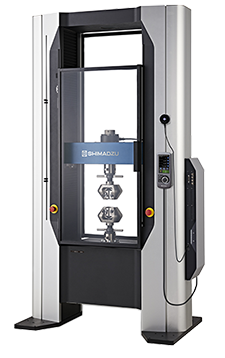
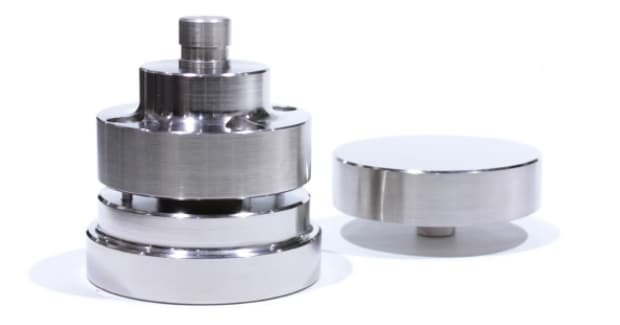
Compression Testing Machine: Capable of applying a uniform compressive load to the mortar cube specimens until failure. The machine must have adequate capacity, typically exceeding 200,000 pounds of force. It must indicate load with an accuracy of ±1.0% and to incorporate a maximum-load indicator for recording the highest load applied during the test.
Mold Assembly: Molds are used to form the 2-inch (50-mm) cube specimens. These molds are made of non-reactive material (such as steel or brass) to ensure no interaction with the cement mortar. The standard requires tight-fitting hard-metal molds with not more than three cube compartments that conform to specified dimensional tolerances.
Tamper or Trowel: ASTM C109 requires molding in two layers with each layer compacted by successive rounds of tamping, followed by careful finishing with a steel trowel to produce a smooth surface flush with the mold, ensuring uniformity and eliminating air pockets.
Curing Cabinet or Room: To ensure proper hydration and strength development, specimens are typically cured in a moist environment (100% humidity) at a controlled temperature (73.4°F or 23°C) for a specific period before testing. The moist cabinet or room must conform to ASTM C511 requirements.
Mechanical Mixer and Flow Table: Mortar preparation is performed using a mechanical mixer conforming to ASTM C305, and mortar consistency may be evaluated using a flow table conforming to ASTM C230.
ASTM C109 Software Features
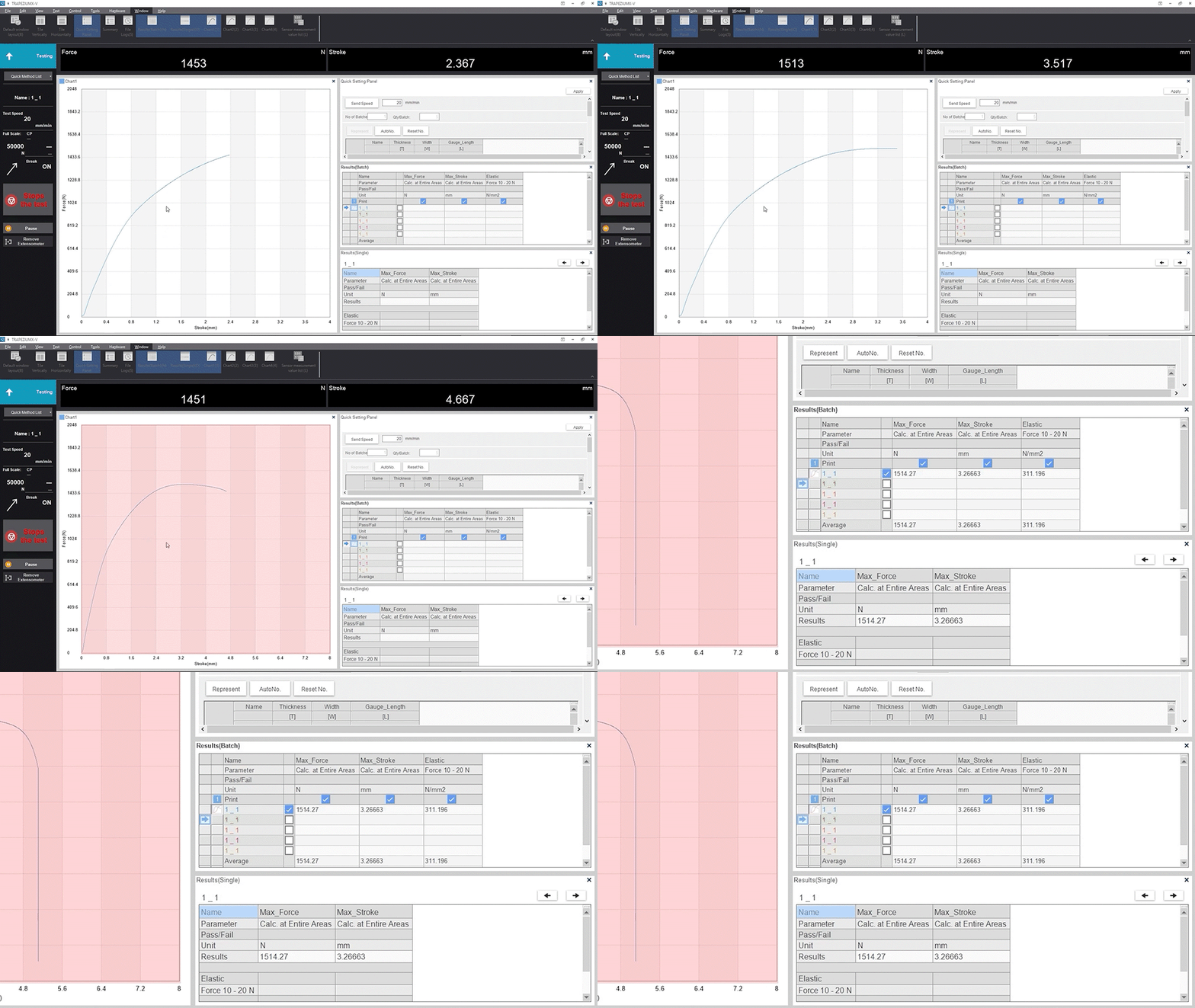
- The software used for ASTM C109 compressive strength testing focuses on accurate data acquisition and reporting. Key features of TRAPEZIUMX-V Software includes:
Automated Load Application Control: Ensures that the compressive load is applied to the cube specimens at the correct rate, as specified by ASTM C109, typically up to 400 lb/s (1800 N/s).
Real-time Load and Stress Monitoring: The software records the force applied and calculates the stress in real-time, allowing the operator to observe the compressive strength curve as the mortar cubes are compressed.
Pre-configured ASTM C109 Testing Profiles: The software comes pre-set with the required test parameters, ensuring consistency across different tests and specimens.
- Profiles should incorporate ASTM C109 requirements for specimen age, loading rates, curing conditions, and strength calculations.Automated Reporting and Statistical Analysis: Generates standardized test reports that include compressive strength values at different curing ages, along with statistical analysis for quality control and compliance with project specifications. In addition to compressive strength, ASTM C109 requires reporting of mortar flow, water content, while specimen variability limits can be used for quality-control evaluations.
-
ASTM C109 Specimen Details
Specimens tested under ASTM C109 are small mortar cubes with precise preparation and curing requirements:
Cube Size: The standard specimen for ASTM C109 testing is a 2-inch (50-mm) cube. The mold produces cubes with dimensions that are precisely controlled to ensure accurate test results.
Mixing Proportions: The standard mortar is comprised of a specific ratio of cement, graded standard sand by mass and water in alignment with ASTM C778 requirements. The mix is standardized to ensure consistency and comparability of test results.
Curing Conditions: Specimens remain in molds within a moist room or moist cabinet for about 24 hours and are then stored in saturated lime water until testing.
Surface Condition: Before testing, bearing faces must be checked for planeness, cleaned of loose particles, and any specimen exhibiting excessive curvature may be ground or discarded.