


ASTM C78: Standard Test Method for Flexural Strength of Concrete (Using a Simple Beam with Third-Point Loading)

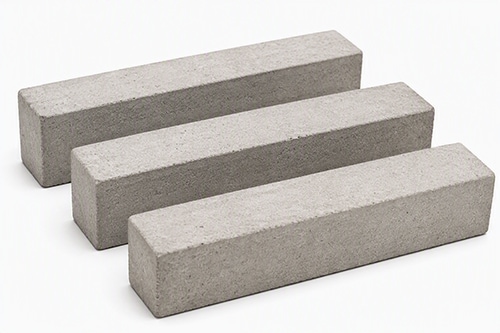
ASTM C78 is the standard test method for determining the flexural strength of concrete using a simple beam with third-point loading. The method measures the maximum resistance of a concrete specimen subjected to bending and reports the result as the modulus of rupture. It is applicable to beam specimens prepared and cured in accordance with ASTM C31, ASTM C192, or ASTM C42.
This test evaluates the ability of concrete to withstand bending and is essential for assessing the performance of concrete in structural applications such as pavements, bridges, and building components. The test is commonly used for determining compliance with specifications, evaluating concrete mixture proportions, assessing uniformity of mixing, and checking placement operations, particularly for slabs and pavements. The results obtained from this test provide valuable information about the material's load-bearing capacity and its suitability for various construction projects.
This webpage provides an overview of ASTM C78, but it is recommended that users refer to the full ASTM C78 standard for complete details on procedures and requirements.
ASTM C78 Properties of Interest
The primary property measured in ASTM C78 testing is:
Flexural Strength (Modulus of Rupture): ASTM C78 defines the modulus of rupture as the calculated stress in the tensile face of the beam at the maximum bending moment during testing. Alternatively, it is the maximum stress that a concrete beam can withstand when subjected to bending until failure, typically expressed in pounds per square inch (psi) or megapascals (MPa). Results are calculated from the maximum applied load, span length, and measured specimen dimensions after fracture.
ASTM C78 Testing Setup and Method
Testing in accordance with ASTM C78 requires specific equipment:
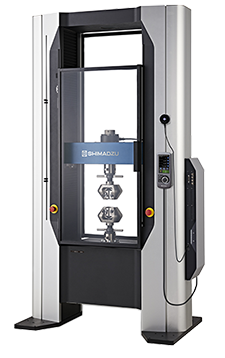
Flexural Testing Machine: A machine designed to apply a controlled load to the concrete beam, usually featuring third-point loading mechanisms to distribute the load evenly. The machine must be capable of applying loads at the specified uniform rate without shock or interruption and must indicate the maximum load to within 1% accuracy. The testing machine must also be verified in accordance with ASTM E4.
Supporting Beam Rests: ASTM C78 requires appropriately dimensioned support blocks designed to receive forces along lines perpendicular to the beam faces without eccentricity, while maintaining the prescribed span length and third point loading configuration.
Loading Blocks: Cylindrical bearing blocks used to apply the test load at the central point of the span. ASTM C78 specifies that loading and support blocks extend across the full width of the specimen and be free to rotate to ensure uniform load application.
ASTM C78 Software Features
-
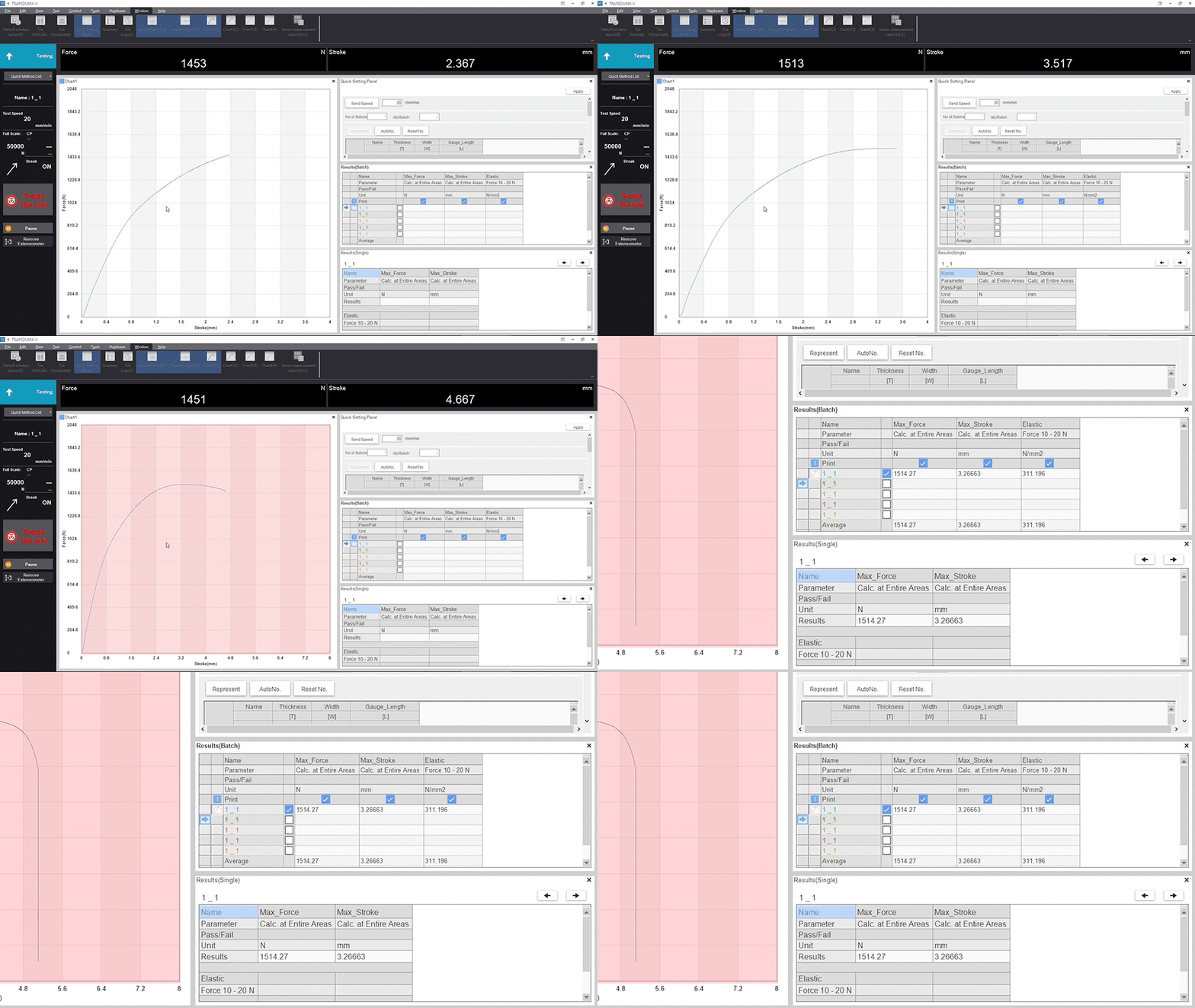
The testing software is a crucial component for ASTM C78 testing, TRAPEZIUMX-V offers the following features:
Pre-configured Testing Parameters: Ensures compliance with ASTM C78 requirements, including loading rates and beam dimensions.
Real-time Load Monitoring: Tracks the load applied to the beam and captures the stress-strain response throughout the test. The system records the maximum applied load used in calculating the modulus of rupture and verifies that loading remains continuous until failure.
Automated Reporting: Generates detailed reports summarizing test results, including flexural strength values and compliance with standards. ASTM C78 reporting requirements include specimen identification, average width and depth, span length, maximum applied load, modulus of rupture, curing history, moisture condition, specimen age, and any use of grinding, capping, or shims.
-
ASTM C78 Specimen Details
Specimen preparation for ASTM C78 involves:
Beam Dimensions: Concrete beams are typically cast in dimensions of 6 inches (150 mm) wide, 6 inches (150 mm) high, and 20 inches (500 mm) long. Other common beam sizes include 100 mm × 100 mm and 150 mm × 150 mm cross sections.
Curing Conditions: Beams must be cured properly to ensure that the concrete attains its intended strength before testing. Moist-cured specimens must remain moist between removal from curing storage and testing because surface drying can reduce the measured flexural strength.
Surface Condition: ASTM C78 further requires specimen surfaces to be smooth and free of scars, indentations, holes, and inscribed identification marks that may influence the test results. The sides must be at right angles to the top and bottom surfaces.
Specimen Orientation: For molded specimens, the beam is tested on its side relative to its molded position. Sawed specimens must be positioned so that the tension face corresponds to the top or bottom surface as cut from the parent concrete element.