


ASTM A48: Standard Specification for Gray Iron Castings

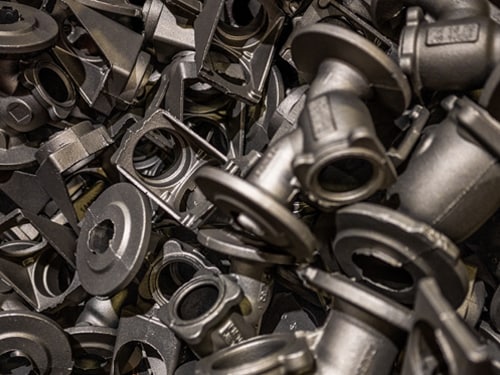
ASTM A48 is the standard specification that outlines the requirements for gray iron castings. Gray iron is widely used in various applications due to its excellent castability, machinability, and wear resistance. The mechanical properties of iron castings depend on factors such as cooling rate, chemical composition, casting and mold design, and the placement and effectiveness of gates and risers. This standard specifies the mechanical properties, chemical composition, and dimensional tolerances of gray iron castings, ensuring that they meet the necessary performance criteria for industrial and engineering applications. The specification covers different grades of gray iron, defined by their tensile strength, providing guidance for material selection based on specific application requirements.
This webpage provides an overview of ASTM A48, but it is recommended that users refer to the full ASTM A48 standard for complete details on procedures and requirements.
ASTM A48 Properties of Interest
The key mechanical and material properties specified in ASTM A48 include:
Tensile Strength: The maximum stress that the gray iron casting can withstand while being pulled before failing. Various grades of gray iron are specified based on their minimum tensile strength, typically ranging from 20,000 psi (138 MPa) to over 70,000 psi (482 MPa).
Ductility: While gray iron is generally known for its brittleness, certain grades exhibit ductile properties, which are important for specific applications.
Chemical Composition: The standard outlines allowable limits for elements such as carbon, silicon, sulfur, and manganese, which influence the material's properties.
ASTM A48 Testing Setup and Method
Testing and inspection of gray iron castings in accordance with ASTM A48 involve several specialized instruments and equipment:
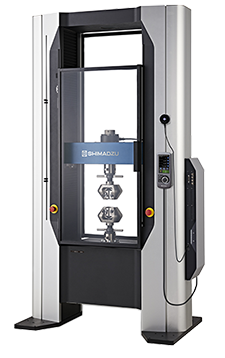
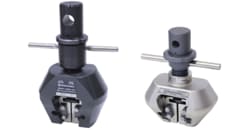
Tensile Testing Machine: A universal testing machine (UTM) is used to measure the tensile strength of gray iron samples, typically prepared as dog-bone specimens.
ASTM A48 Software Features
-
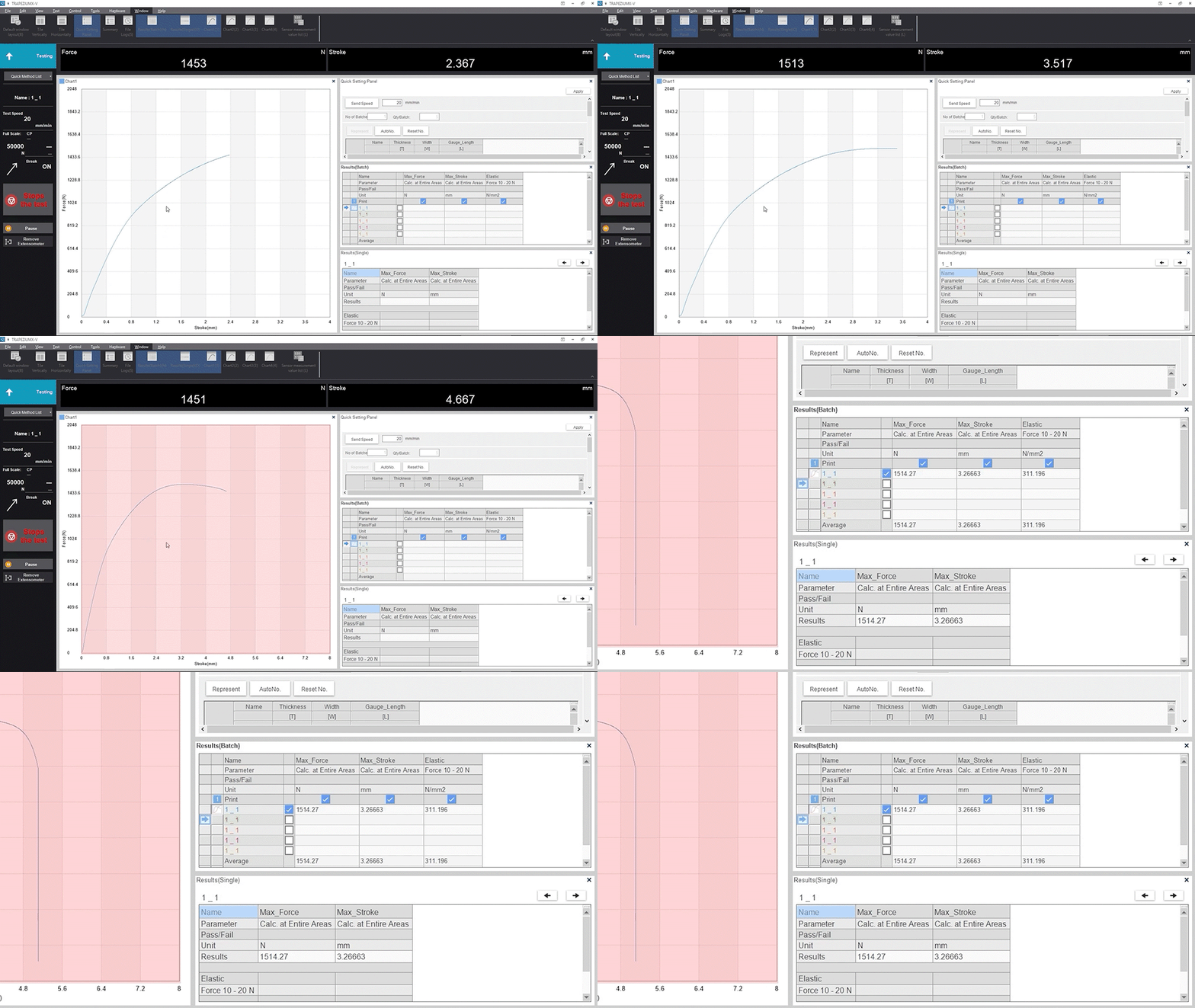
The software associated with ASTM A48 testing plays a crucial role in data acquisition and analysis. Key features of the TRAPEZIUMX-V software includes:
Real-time Data Collection: The software captures data from tensile tests, hardness tests, and chemical analyses in real time, allowing for immediate assessment and feedback.
Automatic Calculation of Key Properties: The software automatically calculates tensile strength, hardness values, and provides conversion between different hardness scales if necessary.
Statistical Analysis and Reporting: Generates comprehensive reports that include test results, statistical analyses, and compliance documentation, facilitating quality control and assurance processes.
-
ASTM A48 Specimen Details
Specimen preparation is crucial for accurate testing under ASTM A48. The following details are relevant:
Tensile Specimens: Specimens are typically cast into one of three cylindrical dog bone shapes, with gauge lengths varying from 0.50”-1.25” and diameters equaling the gauge length selected. The overall minimum length of the samples varies from 3 3/4" - 6 3/8".
Casting Conditions: The specimens must represent the conditions under which the castings are produced, including factors such as cooling rates, and must be free from defects such as porosity or inclusions that could affect the results.
Chemical Analysis Samples: Samples should be taken from the casting in a manner that reflects the overall composition, ensuring representative material is analyzed.