


Analysis of Persistent Organic Pollutants (POPs) in Wastewater
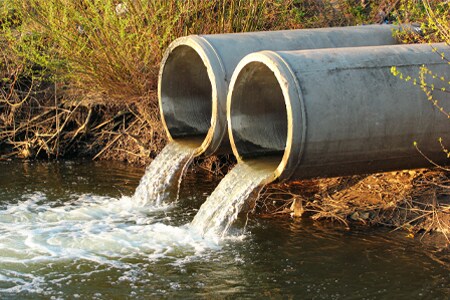
Persistent organic pollutants (POPs), sometimes referred to as Chemicals of Emerging Concern (CEC) are toxic chemicals that may effect human or aquatic life and are known, or suspected to occur in the environment. Many of them, such as PFAS, are considered widely distributed, while others, such as glyphosate or atrazine, may only be distributed locally. For wastewater analysis, many of these chemicals are not regulated, but found in but are listed in 40 CFR Part 122 Appendix D Table V and required to be tested if they are expected to be present. Additional CECs , not listed, may also need to be tested based on knowledge of the process. Some, but not all, of these compounds are included in methods listed at 40 CFR Part 136. Shimadzu is developing new methods, based on new technology for accurate, rapid, and economical determination of CECs in environmental samples. A few of these methods is ASTM D8574 Standard Test Method for Determination of Select Pesticides and Herbicides in Water by Liquid Chromatography Tandem Mass Spectrometry (LC-MS/MS), ASTM D8543 Standard Test method for Determination of Pesticides and Polychlorinated Biphenyls (PCBs) in Aqueous Solution by Tandem Gas Chromatography / Mass Spectrometry/Mass Spectrometry (GC/MS/MS), and ASTM D8456 Standard Test Method for Determination of Nitrosamines in Water by Liquid Chromatography Tandem Mass Spectrometry (LC-MS/MS).
Related Products
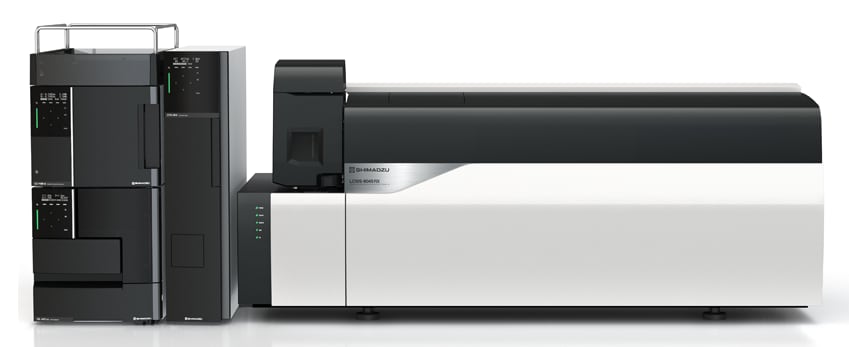
LCMS-TQ RX Series Triple Quadrupole LC-MS/MS
Choose between three instruments to fit your sensitivity and budget needs with this highly reliable, and easy to operate instrument. The heat assisted electrospray ionization with corespray technology promotes highly efficient ionization of a wide range of target compounds. Use this instruments for methods, such as D8543 for rapid polarity switching allowing analysis of both positive and negatively charged ions in one injection.
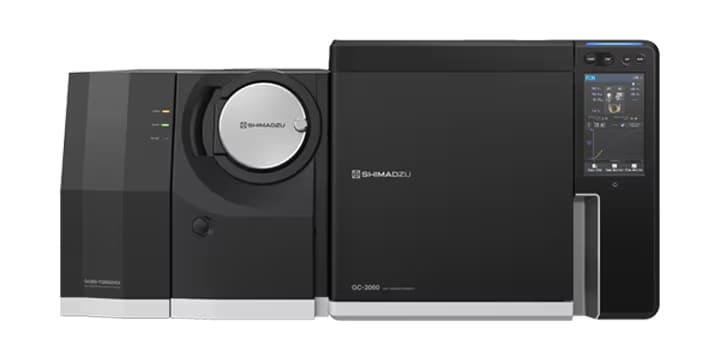
GCMS-TQ RX Series Triple Quadrupole GC-MS
The Shimadzu GCMS-TQ RX Series Triple Quadrupole GC-MS provides exceptional analytical capability for the reliable analysis of trace organics in complex matrices. The instrument can be used for pesticides, flame retardants, and dioxins and furans, among other toxic pollutants. Full Scan capability for the analysis of unknowns, Scan SIM, and scan MRM capabilities are also possible.