

Wastewater Analysis
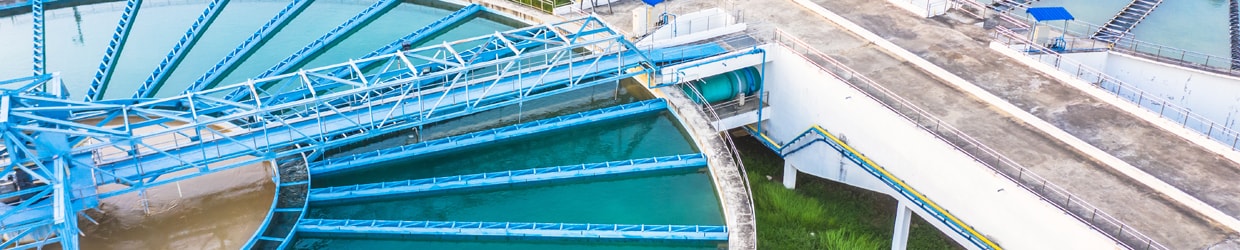
Shimadzu offers the most comprehensive portfolio of instruments for the analysis of regulated and emerging contaminants in wastewater and ambient water. Wastewater testing at the national level in the United States regulated by the Clean Water Act (CWA) which specifies effluent guidelines and prescribed test methods from point sources in a National Pollutant Discharge Elimination System (NPDES) permit. These methods are published at 40 CFR Part 136. Industrial discharges into a sewer system are not issued a NPDES permit, however, they may be regulated by the sewer system as pretreatment at 40 CFR Part 403. Pretreatment samples must also be analyzed by methods approved at 40 CFR Part 136.
The NPDES permitting process, including analytes to run and sampling and reporting requirements are found at 40 CFR Part 122. Here permits are described as measuring effluent characteristic pollutants that are required for every permit, and specific priority pollutants including cyanide, phenols, total metals, and toxic organics.
General permit analytes are BOD5, COD, TOC, TSS, Ammonia Nitrogen, Temperature, and pH. Fecal coliform bacteria and residual chlorine may also be required if believed to be present. Shimadzu provides instruments for TOC and ammonia nitrogen. As published at 40 CFR Part 133.104b, TOC may be used in place of BOD5 or COD. Instructions for replacing BOD5 or COD with TOC may be found at Standard Methods for the Examination of Water and Wastewater Method 5310A.
Priority Pollutants must be analyzed in many NPDES permits and are listed at 40 CFR Part 122 Appendix D Table II (Volatiles, Base Neutral Acids, and organochlorine pesticides plus PCBs) and Table III Other Toxic Pollutants (metals and cyanide) and Total phenols. Table IV and V list other pollutants that may be listed in a permit if believed to be present. For the regulated analytes, you must use an approved method listed at 40 CFR Part 136.